
Open Line: plain-English guides to VoIP, Wi-Fi calling and calling abroad

Every way to make a call, in plain English.

A phone call is no longer one thing. It can travel over the old telephone network, over 4G as VoLTE, over your home Wi-Fi as a carrier "Wi-Fi call", or through an app that never touches a phone number at all.

How calls travelCalling abroad

Three vintage pay telephones with rotary dials and coiled cords mounted in a row on a pale wall
Three old pay phones on a wall. Calls have since moved onto mobile networks, Wi-Fi and apps.

Key figures from our guides

Open Line explains those options in plain English, so you can choose the right one at home and abroad: what each kind of call costs you, how much data it uses, why it sometimes sounds robotic, whether it can reach emergency services, and who can see that you made it.

The guides are independent. Open Line does not sell calling credit, plans or SIM cards, and every factual claim points to the regulation, standard or official documentation it comes from.

Dozens of blue, yellow and green network cables plugged into a rack-mounted Ethernet switch Begin with the basics

What is VoIP? How a phone call travels over the internet

Signalling with SIP, voice packets with RTP, codecs, NAT traversal, and the difference between app-to-app calls and calls to real phone numbers, step by step.

Read the guide

Start here

Sections

More guides

Over-ear headphones lying on a dark desk beside a smartphone with a lit screenHow calls travel

Why VoIP calls break up

Latency, jitter and packet loss, and the fixes for robotic voices and dropped calls.

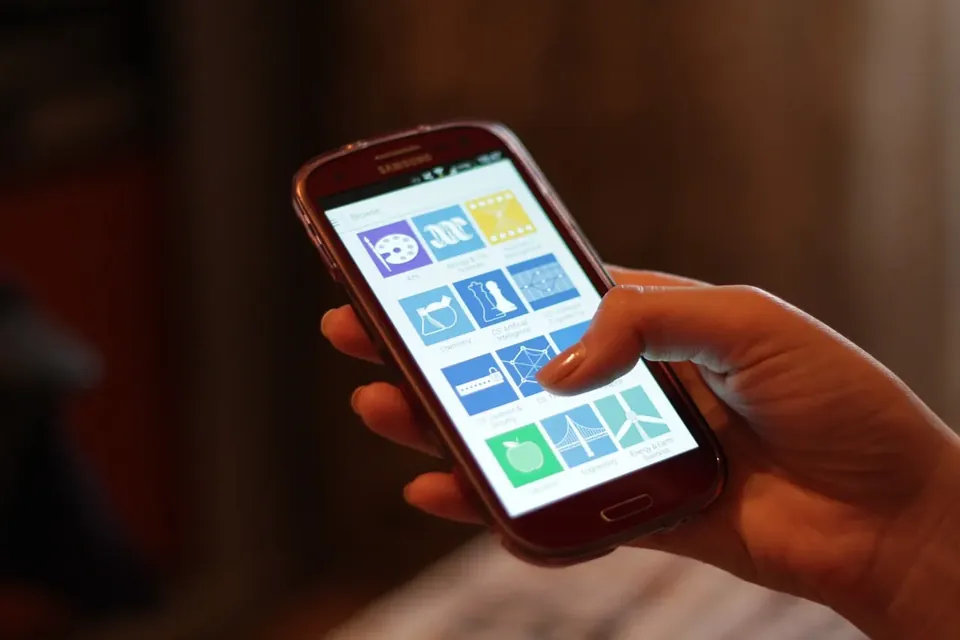
A hand holding a smartphone whose screen shows a grid of colourful app iconsHow calls travel

How much data a call uses

Megabytes per hour, worked out codec by codec, headers and both directions included.

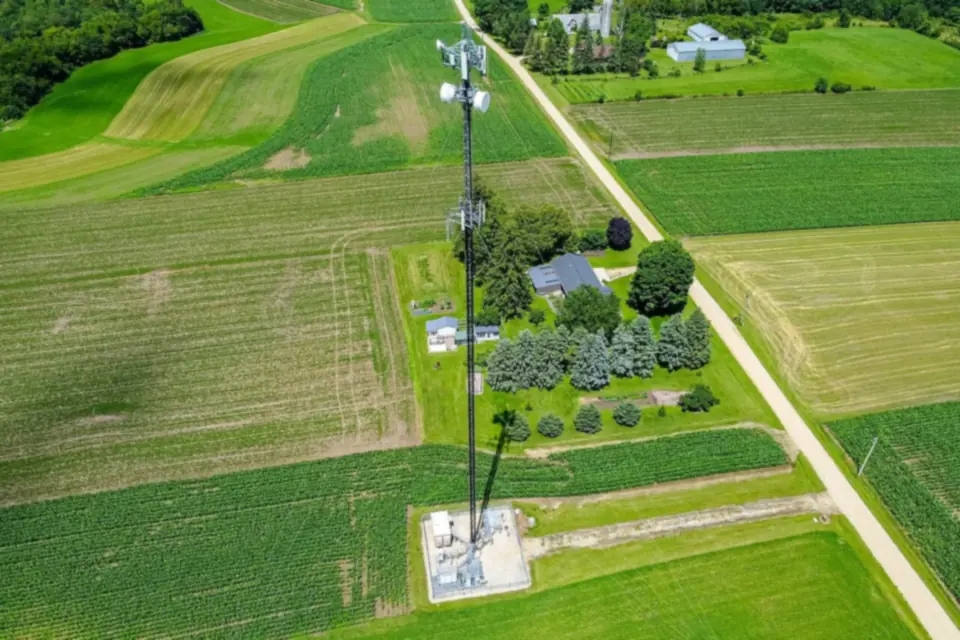
Aerial view of a lone mobile phone mast beside a country road, surrounded by green fields and a farmhouseHow calls travel

VoLTE and the 3G switch-off

Why 2G and 3G are closing, which phones are affected and how to check yours.

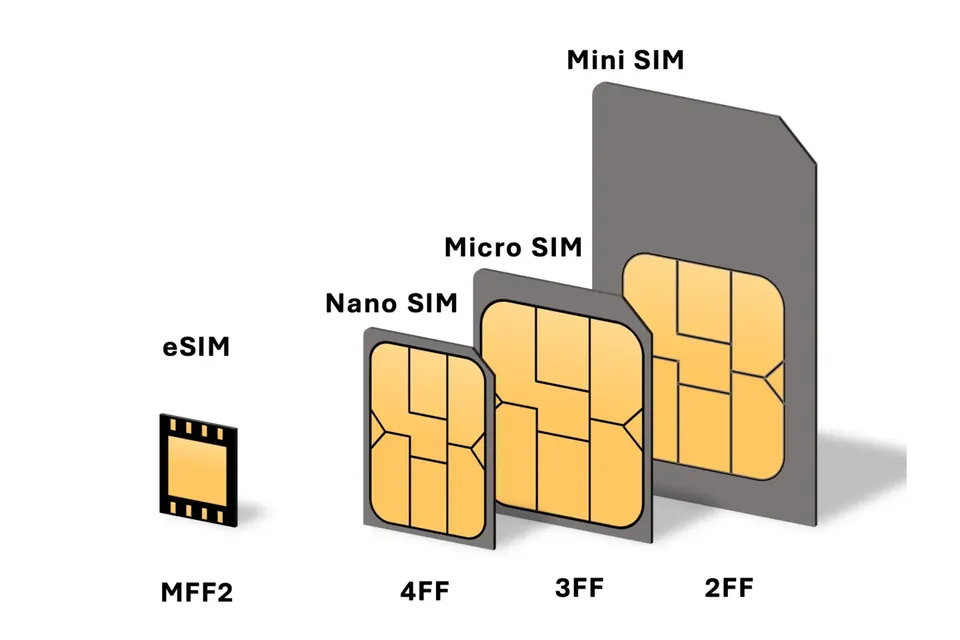
Diagram of SIM card formats from largest to smallest: Mini SIM, Micro SIM, Nano SIM and the tiny embedded eSIM chipCalling abroad

eSIM explained

How eSIM profiles are downloaded, which phones support them and what to check before travelling.

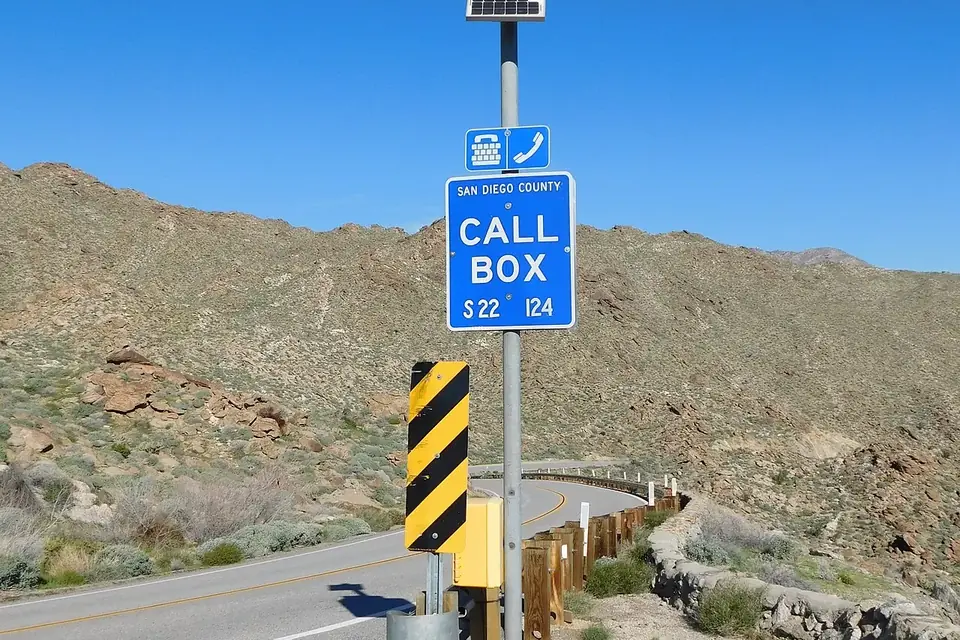
A blue roadside call box sign on a pole with a small solar panel, beside a desert highwayPhones and numbers

Emergency calls over VoIP

Whether 112 and 911 work over Wi-Fi calling, VoIP lines and apps, and how location is sent.

Close-up of an old rotary telephone dial with a paper number card at its centre and a coiled cord beside itPhones and numbers

Keeping your number

Porting rights in the EU and US, caller ID over the internet, and the fight against spoofing.

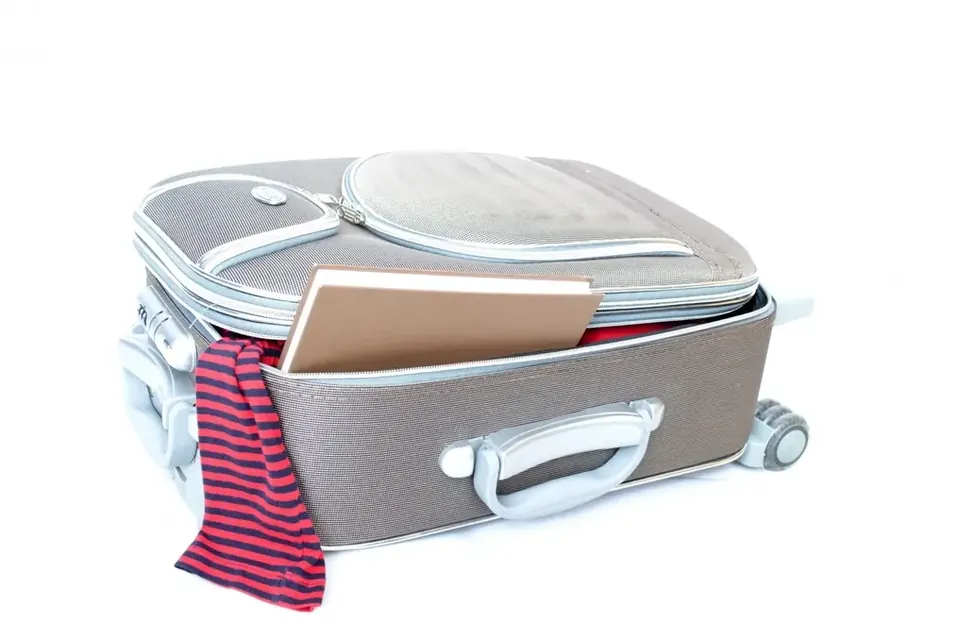
An open grey suitcase on wheels, half packed, with a book and a striped scarf spilling outCalling abroad

Moving abroad: your number, calls and a home

Keeping your number, eSIM dual SIM, calling home, and renting from a distance without getting scammed.

A smartphone with a dark screen lying flat on a pale woolly blanketPhones and numbers

Phones that call well

Operating system support, background limits, carrier settings and Bluetooth headsets.

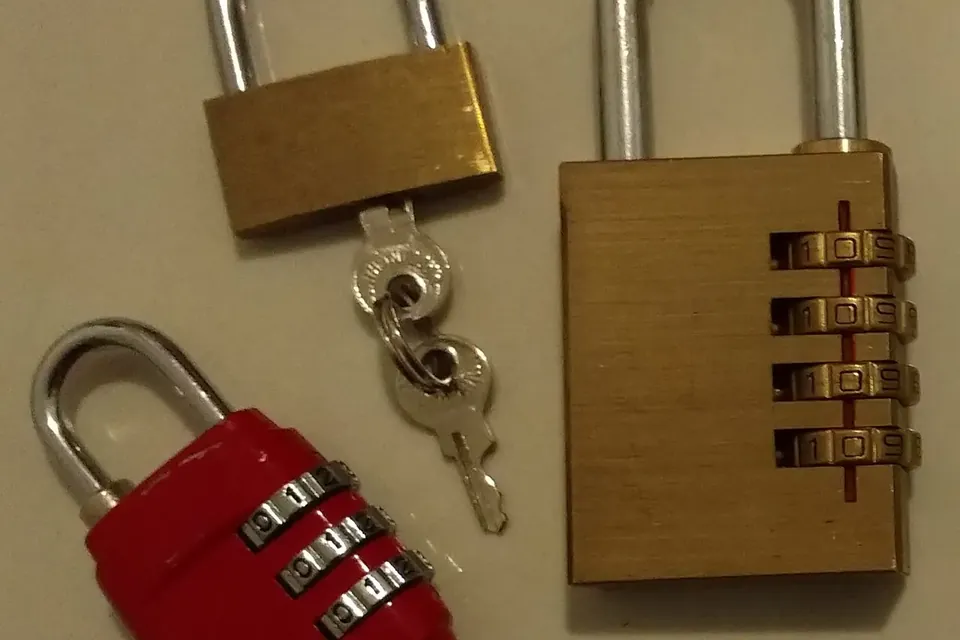
Three padlocks on a table: a brass key padlock, a brass combination lock and a small red combination lockPrivacy

What calling apps encrypt

End-to-end encryption versus network encryption, and why metadata and backups matter.

Illustration of a SIM card outline with a padlock in front of it, on a warm cream backgroundPrivacy

SIM swap fraud

How a phone number gets hijacked, the warning signs, and how to lock yours down.

Illustration of a phone handset beside a red recording dot and a sound wave, on a warm cream backgroundPrivacy

Recording calls

Consent rules on both sides of the Atlantic, built-in recorders, and a safe routine.

Illustration of a smartphone with its SIM tray pulled out and an open padlock beside it, on a cream grid backgroundPhones and numbers

Is my phone unlocked?

Check for a carrier lock in a minute, ask for an unlock, and know the rules where you live.

Short on time? The short answers page covers the most common questions in a line or two each.