One-ring scams: why a missed call from an unknown foreign number can cost you money
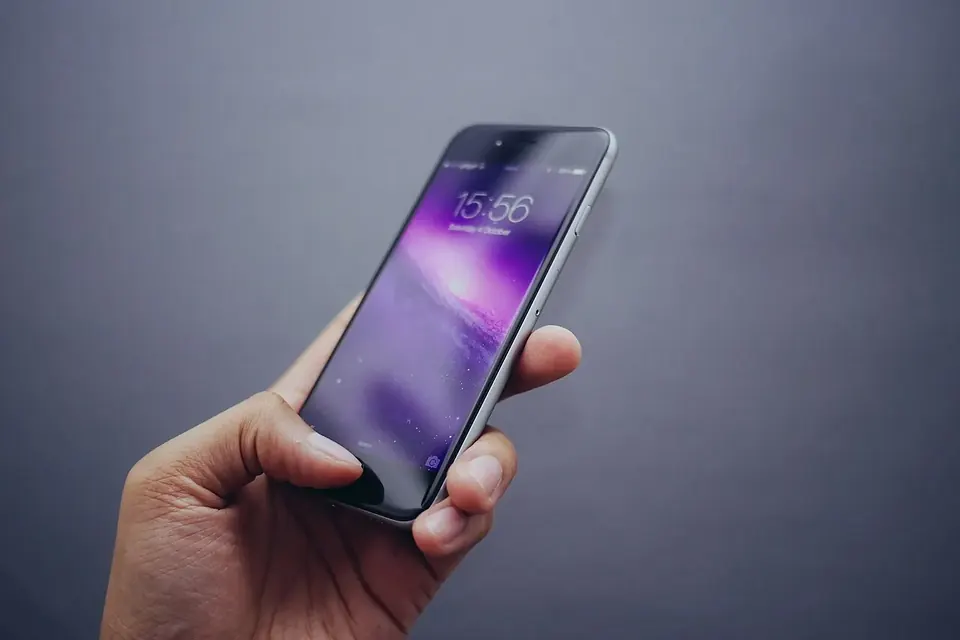
Your phone rings once, perhaps at two in the morning, and stops before you can answer. The screen shows a missed call from a number you do not know, often with an unfamiliar country code. Nobody leaves a message. The natural reflex is to call back to see who it was, and that reflex is exactly what the caller is paying for. Here is how the "one-ring" scam works and how to make it harmless.
What a one-ring call is
The trick is known in the industry by its Japanese name, Wangiri, roughly "one ring and cut". An automated system dials large blocks of numbers, lets each one ring for a second or two and hangs up. It does not want to talk to you. It wants a missed call to sit on your screen, because a share of the people who see it will call back.
The US Federal Communications Commission described the pattern in a consumer alert of 3 May 2019: waves of "One Ring" robocalls targeting specific area codes in bursts, often several times in the middle of the night, using the country code of Mauritania, +222, with widespread overnight calling reported in New York State and Arizona. The FCC's summary of the mechanism is short: a robocaller "calls a number and hangs up after a ring or two", possibly repeatedly, "hoping the consumer calls back and runs up a toll that is largely paid to the scammer" (FCC consumer alert, 3 May 2019).
The country codes change from one wave to the next. What stays the same is the shape: a very short ring, no voicemail, an international or unusual number, and often repeated attempts at odd hours.
Who earns money when you call back
An ordinary call does not pay the person who answers it. The money comes from how international calls are settled between operators.
When you call a number abroad, your operator hands the call to a chain of carriers that delivers it to the network holding that number. Each network along the way charges the one before it, and the last one, which "terminates" the call, can charge a high rate for some destinations, especially small networks and special-rate number ranges. Fraudsters obtain numbers in such ranges, directly or through intermediaries who share the termination revenue with them. Every minute you stay on the line moves money from your bill, through the chain, towards them. The industry calls this wider family of schemes international revenue share fraud.
If you do call back, you may hear a recording, music or a ringing tone that never connects: the aim is to keep the meter running. The FCC compares the resulting charges to those of a US "900" premium-rate number.
Numbers that look domestic but are not
Scammers favour numbers that do not look foreign at first glance.
- North American look-alikes. Several Caribbean countries and territories belong to the same numbering plan as the United States and Canada, so their numbers start with +1 and a three-digit area code, just like a US number. Jamaica uses 876 and the Dominican Republic uses 809, for example. To someone in the US, a missed call from such a number can look like a call from another state, yet calling back is an international call.
- Familiar formats with a different country code. A number written as +44 or +49 looks European, but some ranges inside each national plan are premium or special-rate numbers, and a "+" number from a country you do not recognise could be anywhere.
- Spoofed numbers. The number shown on your screen is not necessarily the one that called. Our guide to caller ID and spoofing explains why a familiar-looking number proves very little.
If you are not sure how to read an international number, the section on number formats in our guide to calling abroad explains the "+" prefix and country codes.
Variants of the same trick
The missed call is only the simplest version. The same economics work with other bait that pushes you to dial a number:
- a text message saying a parcel could not be delivered, a prize is waiting or an account has a problem, with a number to call;
- a voicemail asking you to call back urgently about a relative, a delivery or an unpaid bill.
Some of these combine the toll with a second goal: getting personal details or one-time codes from you once you are talking. If a caller asks for a code sent to your phone, treat it as an attempt to take over an account, as described in our guide to SIM swap fraud.
What the US rules now allow carriers to do
In the United States, the Pallone-Thune TRACED Act of 30 December 2019 required the FCC, in its section 12, to take steps against one-ring scams. The FCC's Report and Order (FCC 20-171), adopted on 24 November 2020 and in force since 12 February 2021, defines a one-ring scam as one "in which a caller makes a call and allows the call to ring the called party for a short duration, in order to prompt the called party to return the call, thereby subjecting the called party to charges" (Federal Register, 13 January 2021).
The order lets voice providers block all calls from a number that they identify, using reasonable analytics, as highly likely to be associated with a one-ring scam, and it protects them from liability if such blocking occasionally catches a wanted call. Because, in the FCC's words, these calls "serve no beneficial purpose", providers do not have to offer customers a way to opt out of that blocking. The rule is permissive rather than mandatory: it allows blocking but does not oblige every provider to do it, so some one-ring calls will still get through.
Other countries rely on their own regulators and operators, and approaches differ: do not assume your operator filters these calls.
Simple habits that defeat it
The scam needs one thing from you: an outgoing call. A few habits remove that.
- Do not return a missed call from a number you do not recognise, especially one that appears to come from abroad. This is the FCC's first tip. Genuine callers can leave a message.
- Check before you call. If you think the call might be real, look at the country code first, and search for the number or call the person or company back on a number you find independently.
- Bar international calls if you never make them. The FCC suggests asking your phone company to block outbound international calls if you do not need them. Many operators can also bar premium-rate numbers. This protects children's phones and those of older relatives in particular.
- Use the spam filters on your phone. Recent iPhones can silence calls from unknown numbers, and the Phone app on many Android phones offers caller ID and spam protection. Your operator may also provide a free call-filtering service.
- Read your bill. Short calls to unusual international destinations are easy to miss on a monthly statement. The FCC's advice includes checking your bill for charges you do not recognise.
When you are travelling
Abroad, the risk is different. You are more likely to expect calls from foreign numbers, and a missed call from a local-looking number may genuinely be your hotel or a taxi. At the same time, calling back while roaming can be expensive in its own right, and premium or special-rate numbers are usually outside any roaming allowance. Our guide to EU roaming rules explains which calls "roam like at home" covers. When in doubt, reply by text or through the app of the business you are dealing with.
If you already called back
- Hang up as soon as you realise: the charge usually grows with every minute.
- Contact your operator to report the number, ask whether the call was charged at a premium rate, and ask whether the charge can be reviewed. Ask for international or premium-rate barring at the same time if you do not need those calls.
- Watch your accounts if you gave any personal information or codes during the call: change passwords, and tell your bank if payment details were mentioned.
- Report it. In the United States, the FCC asks consumers to file complaints at fcc.gov/complaints. In other countries, your operator and the national telecoms regulator or consumer protection body are the right places to report.
The short version
A one-ring call is not an attempt to reach you; it is an attempt to make you dial. Leave unknown international missed calls unanswered, bar destinations you never call, and check your bill. The scam costs nothing to ignore.
 Phones and numbers
Keeping your number
Porting rights in the EU and US, caller ID over the internet, and the fight against spoofing.
 Privacy
SIM swap fraud
How a phone number gets hijacked, the warning signs, and how to lock yours down.
 Calling abroad
 compared
Roaming, local SIMs, travel eSIMs, Wi-Fi calling and apps: costs and catches side by side.